Deepfakes: legal framework and digital watermarking
Deepfakes are transforming digital media, but they also raise serious concerns about fraud, disinformation and privacy. Discover how digital watermarking and European law can help identify AI-generated content and strengthen trust online.
Sumario
Deepfakes: Uses, Risks and Legal Challenges
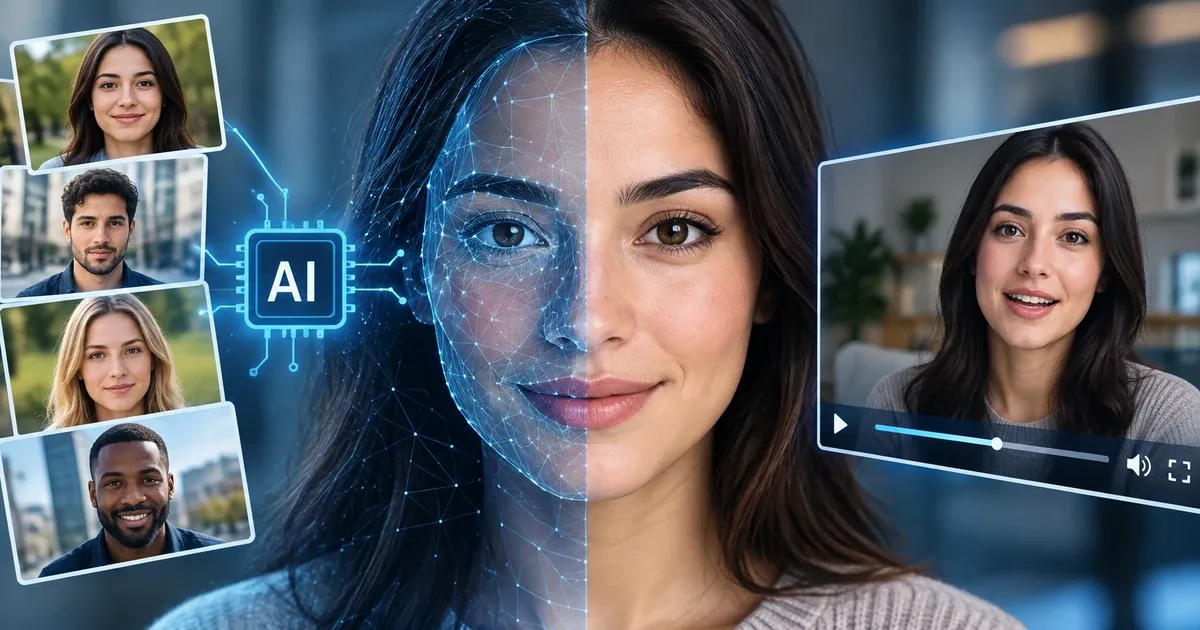
Artificial intelligence makes it possible to create highly realistic images, videos and audio recordings. While deepfakes have legitimate applications in filmmaking and digital creativity, they can also facilitate identity fraud, disinformation, scams and privacy violations.
A European legal framework
The European Union is addressing these risks through the Artificial Intelligence Act (Regulation EU 2024/1689). Article 50 establishes transparency obligations for certain AI-generated or manipulated content.
Providers of generative AI systems must implement technical measures to make synthetic content identifiable in a machine-readable format. Users who deploy AI to create deepfakes are also subject to disclosure obligations in the circumstances specified by the regulation, with exceptions for certain artistic, satirical and fictional works.
These requirements aim to improve transparency without prohibiting legitimate uses of synthetic media.
Digital watermarking: tracing AI-generated content
Digital watermarking involves embedding information into a digital file to help identify its origin or indicate that it has been artificially generated or modified.
Three approaches are commonly used:
Visible watermarks: labels such as “AI-generated” displayed directly on an image or video.
Invisible watermarks: information embedded in digital signals and detectable using compatible tools.
Provenance metadata: information documenting a file’s origin and editing history.
These techniques can support transparency and content traceability. However, they have limitations: watermarks may be removed or altered, and metadata can be lost during file processing or distribution. The absence of a watermark does not prove that content is authentic.
Combining watermarking with provenance standards, cryptographic signatures and independent verification can provide stronger safeguards.
Building trust in digital content
Combating malicious deepfakes requires a combination of legal safeguards, technical solutions and public awareness. Verifying sources, cross-checking information and independently confirming unusual financial requests remain essential precautions.
The objective is not to prohibit AI-generated content, but to make its origin more transparent, limit deceptive uses and preserve trust in digital information.
De la lectura a la práctica
Crea tus propias voces en off y vídeos con IA en Incarneo, sin suscripción: solo pagas los minutos generados.
Comentarios (0)
Aún no hay comentarios — ¡inicia la conversación!